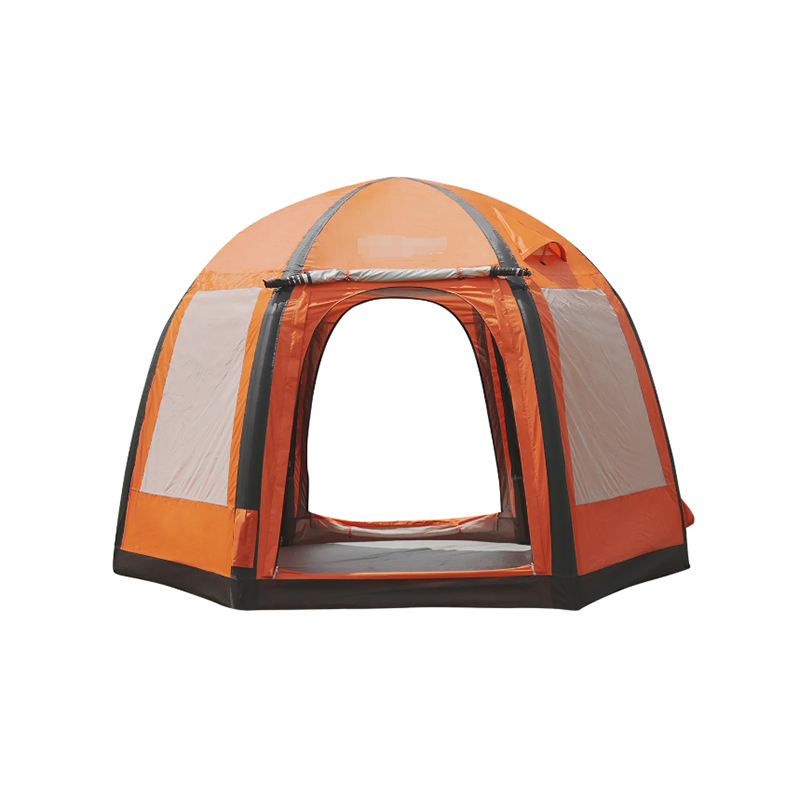
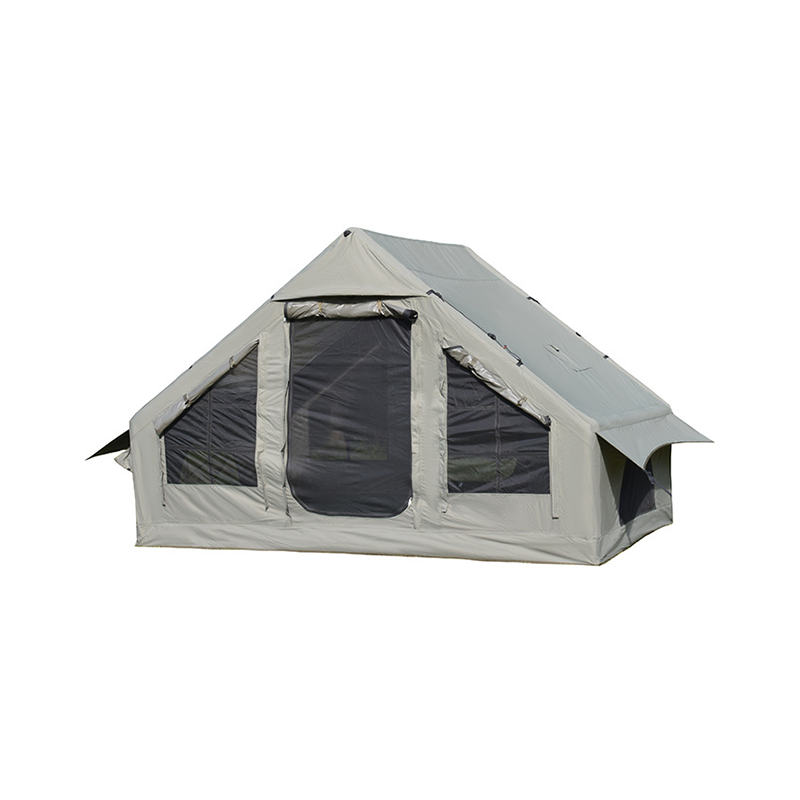
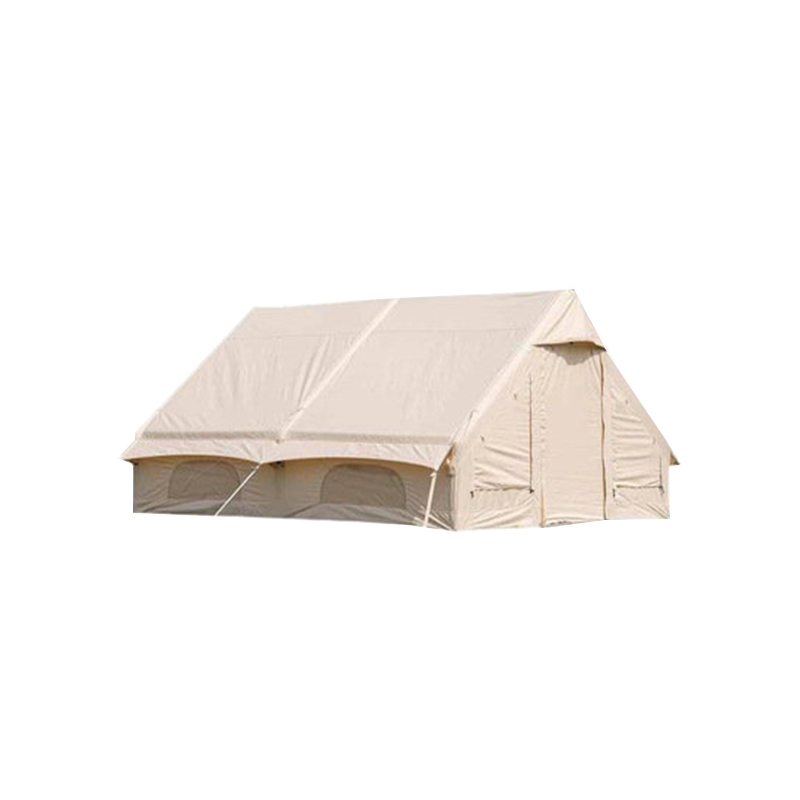
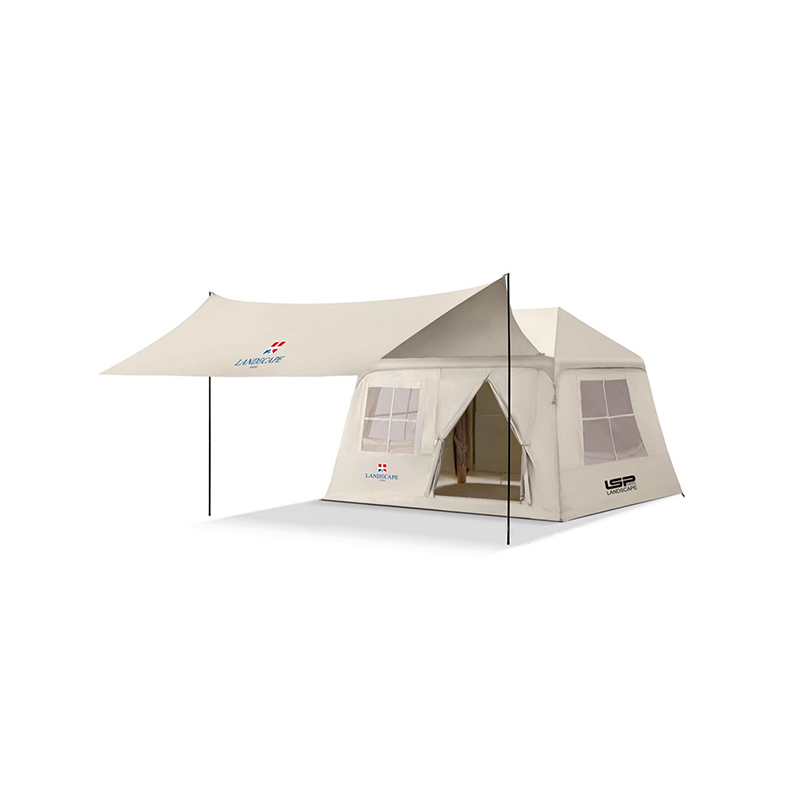
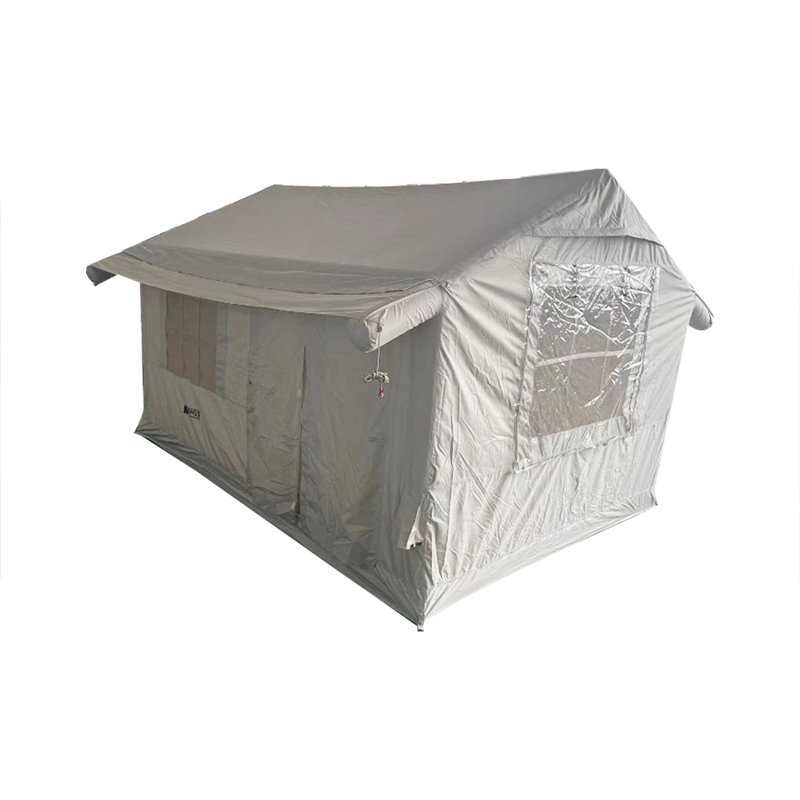
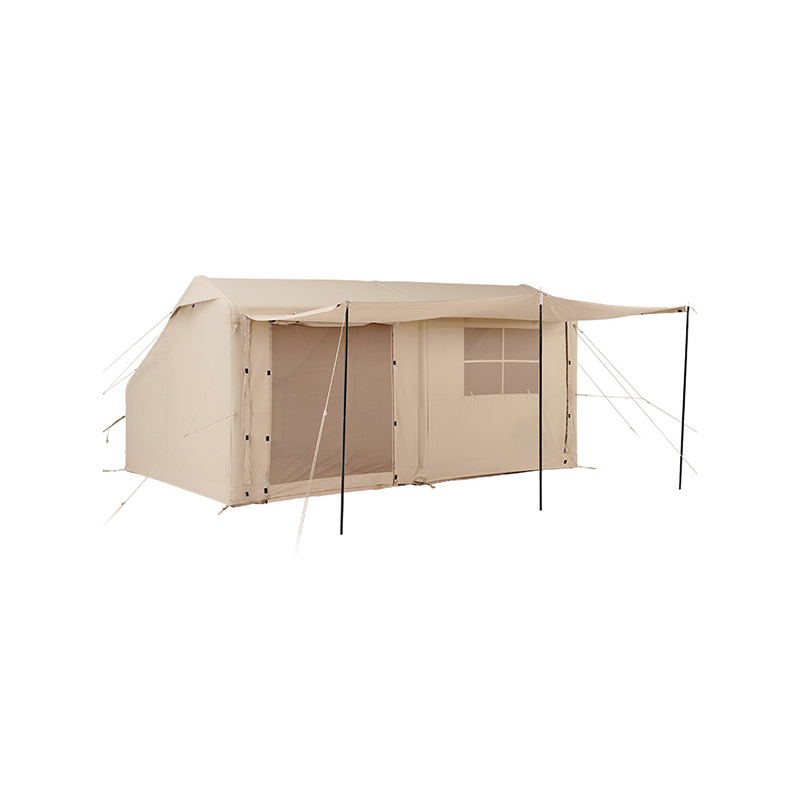
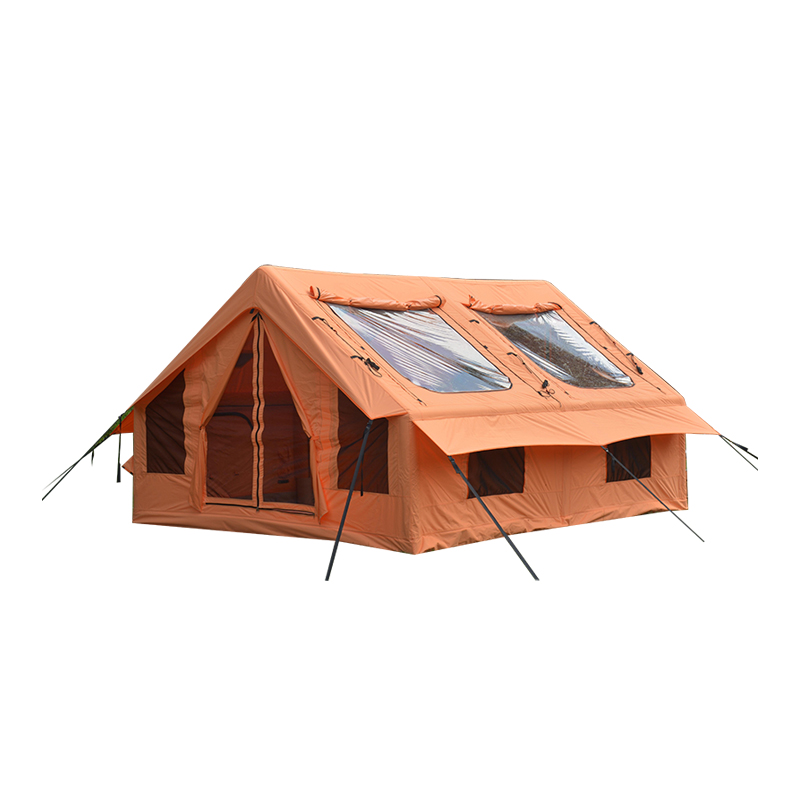
Півсферичний надувний намет 2 двері 4 вікна


 Пошук ...

Air beams hold the tent up, but it is pressure that keeps them honest. Choose the right pump, then manage that pressure through summer heat, autumn rain, and a frost-covered morning, and an inflatable tent quietly becomes the most dependable shelter at camp.
Start with the conclusion: buy a pump with a real pressure gauge and an automatic stop, set it to the tent's rated pressure, and build the habit of walking the tent each morning whenever the temperature moved overnight. Everything else — electric versus manual, adapters, spare seals — is detail arranged around those two decisions.
The reasoning is simple. An inflatable tent is a pressure vessel in everything but name, and anyone who has crawled out of a sagging air tent at three in the morning knows the usual explanation is not a leak. The air inside simply contracted as the night turned cold. A pump puts the pressure in; a gauge and a routine are what keep it where the fabric, welds, and valve seats were engineered to sit.
What follows covers what an inflatable tent actually needs from a pump, how the common pump types compare, how cold, heat, and altitude move the numbers across a 4-season year, and where a traditional pole tent still earns its place.
Two numbers decide everything: pressure and volume. Air beams run at low pressure compared with bicycle tyres or paddleboards — most family air tents are designed to sit somewhere between 3 and 8 PSI (roughly 0.2 to 0.55 bar), depending on beam diameter and the manufacturer's specification — but they need a lot of air. A six-metre tunnel tent with four beams holds several hundred litres in total, and all of it has to move through a valve the width of your thumb.
That combination of low pressure and high volume is why a pump that feels heroic on a bike tyre is nearly useless at camp. Volume lifts a limp beam into shape; the gauge brings it to spec; the automatic stop protects the beam from enthusiasm.
Most air tents use either a screw-on one-way valve or a push-fit Boston-style valve, and decent adapters exist for both. Still, a pump that mates with your valve directly — no wobbling stack of fittings — seals faster, pumps cleaner, and wears the valve seat far less. Check which valve your tent carries before you buy, not in the dark at the campsite.
For a large family air tent, the pairing that works is unglamorous: a mains electric pump for trips with campsite power, and a rechargeable 12-volt unit living in the car for everything else. A foot pump looks old-fashioned until the night it is the only thing that still works below freezing — which is exactly why experienced winter campers keep one folded inside the tent bag.
| Pump type | Realistic setup time | Where it wins | Watch-outs |
|---|---|---|---|
| Mains electric (AC) | 3–6 minutes | Fast, repeatable, stops exactly at the set pressure | Needs campsite or mains power |
| Rechargeable or 12V | 5–8 minutes | Independent of the grid; lives permanently in the car | Batteries fade quickly in cold; carry the charger |
| Foot pump | 8–15 minutes | Nothing to run flat; dependable in deep frost | Slower; needs firm, dry ground to brace against |
| Double-action hand pump | 10–20 minutes | Light, cheap, the natural backup | Tiring on large beams; easy to under-inflate without a gauge |
A small group of tents is now designed around inflation from the ground up. The PVC air column automatic inflatable tent, for example, pairs wide-diameter beams with a setup routine one person can run end to end — pitched in roughly the time it takes to lay and level the ground sheet.
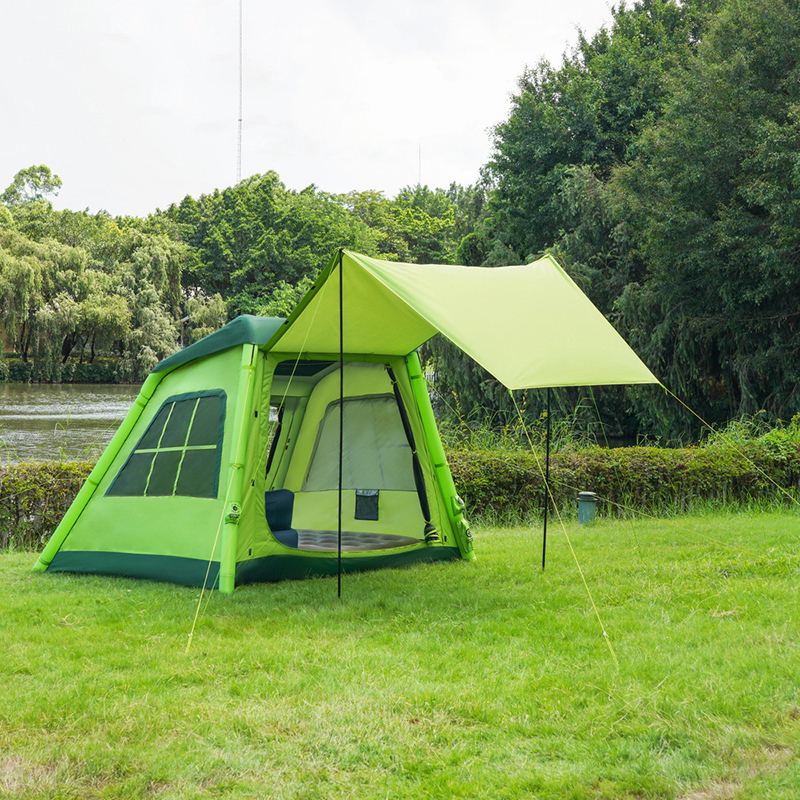 PVC Air Column Automatic Inflatable Tent With one-button auto-inflation and thick 10cm PVC air columns, this tent pitches in about a minute by a single person. Around this discussion of pressure and temperature swings, it is a practical example of fast, low-effort camping setup. View Product →
 Here is the physics that matters for 4-season camping: a sealed beam loses or gains pressure in proportion to its absolute temperature. A tent inflated at 20 °C that sits through a night dropping to 0 °C wakes up roughly seven percent softer. Nothing leaked. The fix is a thirty-second top-up, not a warranty claim. The same law runs in reverse, which is where the real risk hides: a tent inflated cold, then left in morning sun, climbs toward overpressure while you make breakfast.
A pump is a ten-minute purchase. The pressure habit you build around it is what keeps an air tent standing from July to January.
| Scenario | What happens to the beam | What to do |
|---|---|---|
| Inflated at 20 °C, night falls to 0 °C | Pressure drops roughly 7% by morning | Top up to spec during the morning check |
| Inflated at -5 °C, then sun hits the flysheet | Pressure climbs; beams go hard | Keep the flysheet on; vent briefly if beams exceed spec |
| Camp driven from sea level to 2,000 m | Outside air thins; relative pressure rises | Re-check after parking; crack a valve if over spec |
| Long trip with large day-night swings | Pressure cycles up and down daily | Make the morning gauge check non-negotiable |
Altitude and temperature interact, and the details get more interesting the larger the tent — how PVC air column tents handle pressure variation from altitude and temperature is covered in its own explainer.
Materials matter as much as the maths. Standard PVC stiffens noticeably as temperatures slide toward -10 °C and below, which is why genuinely cold-oriented air tents move to TPU columns — and why TPU windows are worth seeking out for winter trips. They stay transparent and flexible at temperatures where rigid panels cloud, go brittle, or crack at the crease. On a model like the 6.3m single-door tent with TPU windows, that difference shows up on the first properly cold morning.
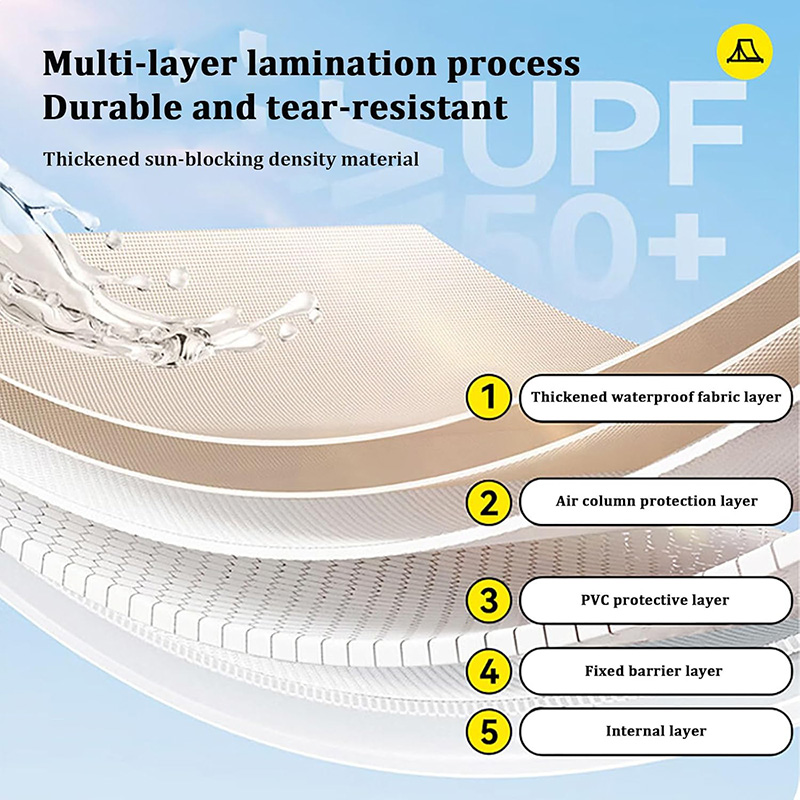 6.3m² Single Door Inflatable Tent with TPU Windows This roughly 6.3 square meter tent sleeps 2-4 people with standing headroom. Its TPU windows and columns stay flexible and transparent in deep cold, exactly the cold-weather material advantage the surrounding text describes. View Product →
 A four-season label is earned by the whole structure, not by the pump. The short list: more, wider beams sharing the load; a full-coverage flysheet with a snow skirt rather than a decorative roof; TPU or low-temperature-rated windows; and ventilation designed to keep running in winter, because four people breathing push litres of moisture into a closed shelter overnight — and condensation, not cold itself, is what ruins gear in the snow season.
Honesty requires the limits too. Air beams flex in wind and spring back in a way poles cannot. But deep cold combined with a heavy, wet snow load is where a well-built pole tent still wins: beams soften exactly when the thermometer bottoms out, and a bent aluminium pole is a field repair in a way a split beam weld is not. Carrying a four-season pole shelter for mid-winter trips and an air tent the rest of the year is a common, sensible pattern — the outdoor four-seasons universal hiking tent exists precisely for that role.
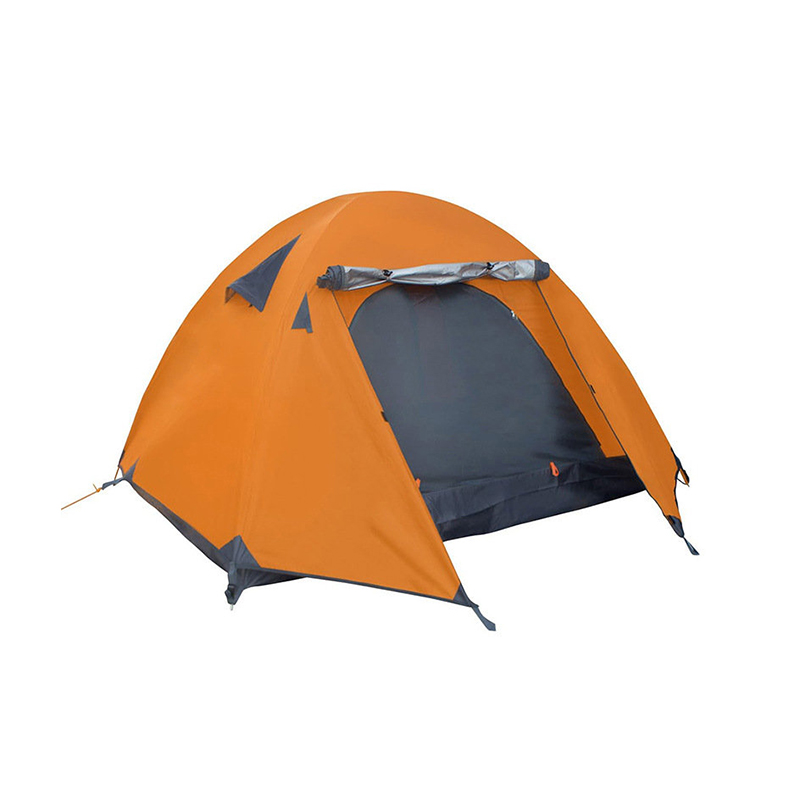
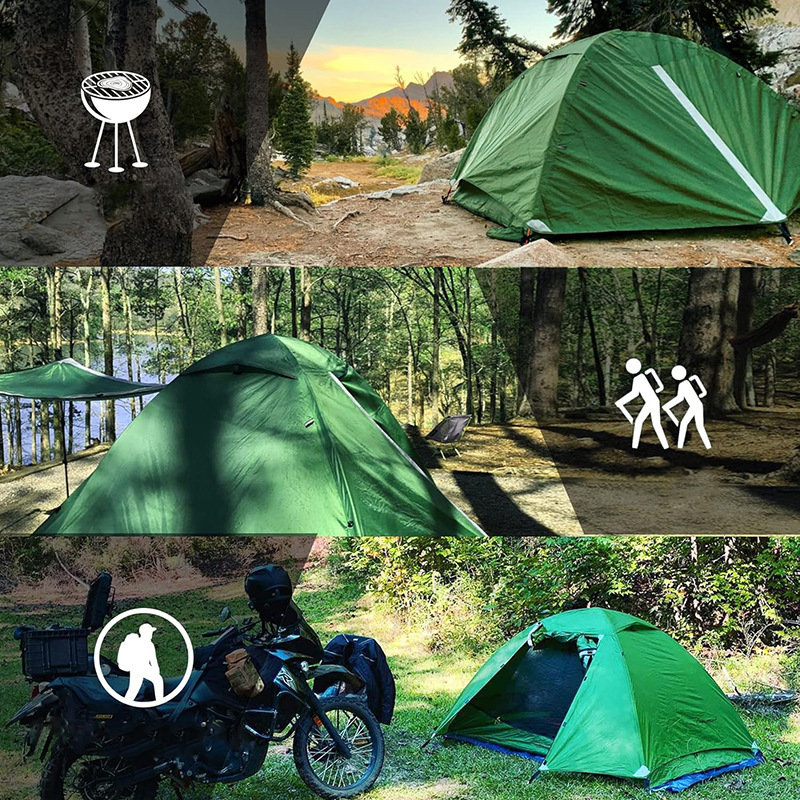 Outdoor Four Seasons Universal Hiking Tent A double-layer pole tent with waterproof, windproof fabrics and a moisture-proof floor, built for blizzards and high mountains. It fills the role described here: a reliable shelter for harsh mid-winter trips beyond air-beam limits. View Product →
 None of this needs to live in your head as theory. Six steps, same order, every trip:
An inflatable camping tent pump is a simple tool. Four-season reliability comes from the pair of habits wrapped around it: inflate to the printed specification with a pump that stops itself, and treat pressure as a moving number whenever temperature or altitude moves with you. Get those right, and the air tent stops being a fair-weather convenience and becomes the shelter you reach for in January.
That is the standard the tents are built to. Nordic Kamping designs and manufactures PVC and TPU air column tents, four-season hiking shelters, and quick-set camping tents for outdoor brands, importers, and distributors worldwide — pressure behaviour and pump compatibility included in the engineering brief from the first sketch.